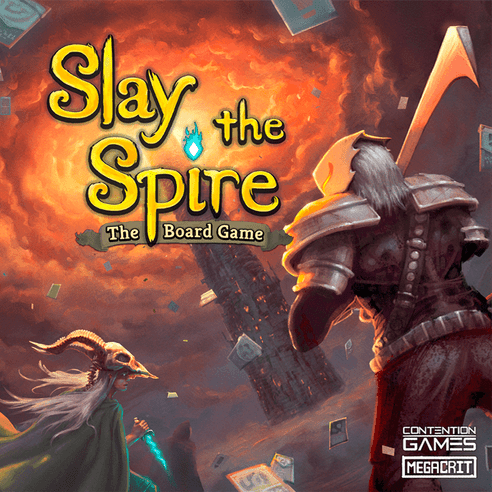
 Because playing it for three thousand hours on a computer simply wasn't ruining your productivity enough.
It is incredibly rare for a massively successful video game to successfully translate into a functional board game without feeling deeply awkward and heavily bogged down by terrible administrative math. Slay the Spire is the golden exception to the rule. The designers looked at the sheer, unadulterated perfection of the digital roguelike deck-builder and somehow—practically via sheer black magic—physically extracted it perfectly into dozens of gorgeous custom sleeves, punchy cardboard tokens, and incredibly satisfying miniature models without losing a single drop of the original's hyper-addictive momentum.
The core loop is identical to the digital masterpiece. You start with an absolutely pathetic deck of basic strikes and defends. You move up an ever-branching path of completely unbalanced encounters, battling terrifying giant slimes and incredibly aggressive cultists, hoping to survive long enough to draft a slightly better card. The feeling of agonizingly fighting a massive elite monster entirely just to physically acquire a tiny cardboard 'Relic' that gives you a passive bonus feels exactly as punishing and deeply rewarding as it does on a screen. But wait! The board game brings an entirely new, utterly terrifying aspect: full multiplayer cooperation!
You are no longer climbing the spire completely alone. You and three friends are sitting around the board simultaneously plotting out your turns. The sheer tactical volume of negotiation is brilliant. "I can apply three poison to the Hexaghost, but only if you physically use your block card to defend me from taking eight damage this turn." It transforms a heavily isolating digital experience into a completely frantic, highly collaborative puzzle where chaining your newly drafted custom abilities directly into your friend's passive relics creates screen-shattering combos that visually explode across the dining table.
Family Session vs. Hardcore Gamers
Could you bring it out with the family? Spectacularly, yes! Because it is entirely cooperative and the core loop of "play cards to block, play cards to hit" is so universally intuitive, casual players can pick it up immediately. But the absolute magic is that the game naturally scales in difficulty. Once your hardcore group completely memorizes the initial card synergies, you simply flip the ascension tokens and aggressively ramp up the enemy modifiers until the Spire mathematically crushes you into dust on the very first floor.
Pros:
- Arguably the most seamless, perfect video game-to-board game adaptation in history.
- The cooperative multiplayer completely reinvents the established solo digital formula perfectly.
- Unbelievable replayability; the combination of relics and card drafts guarantees unique runs.
Cons:
- The physical setup and organization of the myriad massive card decks takes significant time.
- Upgrading physical cards involves flipping them inside custom sleeves, which feels slightly fiddly.
- If you already own the digital game for $15, the massive physical box feels incredibly expensive.
Final Verdict: Buy it yourself. Whether you have dropped precisely zero hours into the digital version or exactly four thousand, this massive box flawlessly delivers the absolute gold standard of the roguelike deck-building experience straight onto your table.